Educational content only. No medical services. No promises of outcomes.

Daily Life and Weight Contexts

Understanding how everyday choices, routines, and environments relate to weight involves examining the broader context of daily life. This educational resource explores these connections without offering personal recommendations or medical guidance.

Explore daily context

Person preparing morning meal in a bright kitchen setting
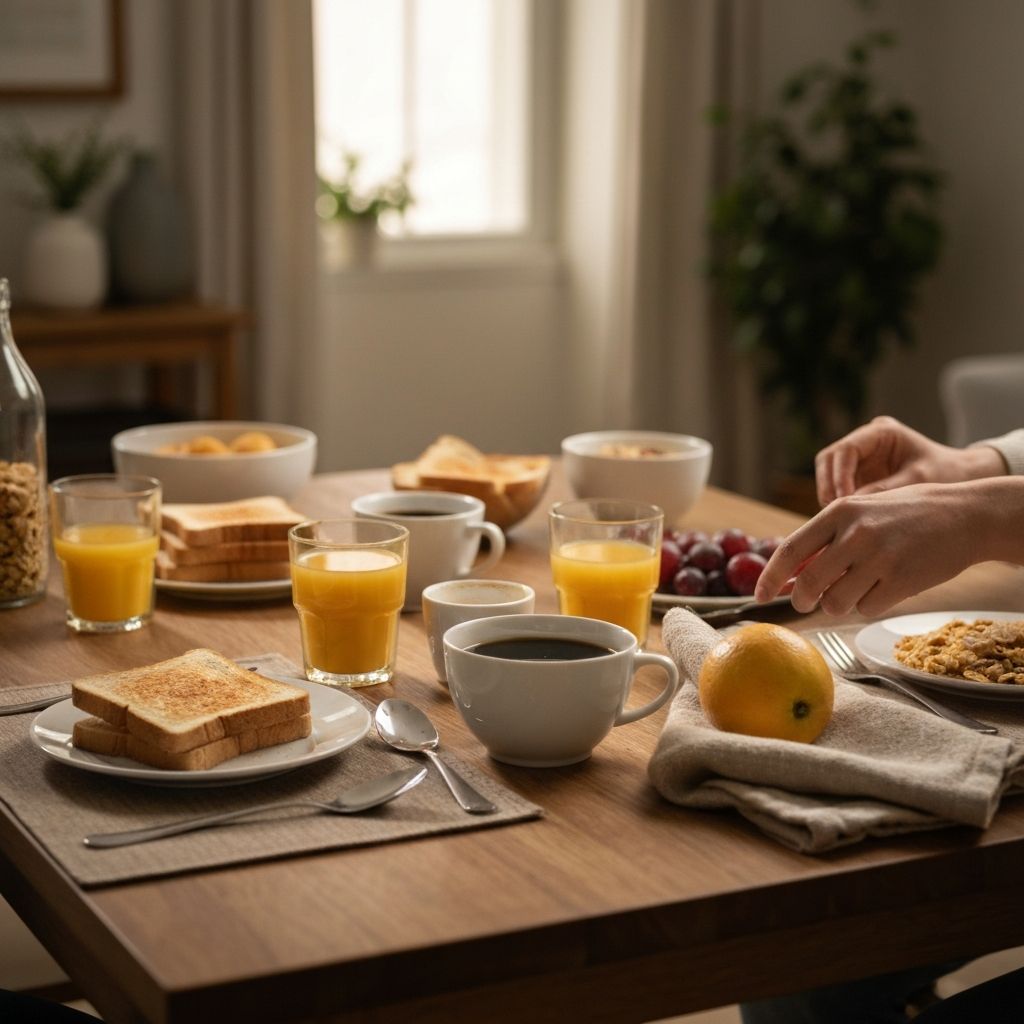
Breakfast table with various food options in home setting

Morning Routines and Breakfast Choices

The way mornings unfold often sets a pattern for the rest of the day. Research observations note that morning meal timing and composition vary significantly across different lifestyles and schedules.

Some individuals prefer substantial morning meals, while others may consume very little until later in the day. These patterns are influenced by work schedules, family dynamics, and personal preferences rather than any single correct approach.

Cultural backgrounds also shape morning eating patterns, with different traditions emphasising various types of foods and meal structures at the start of the day.

Office workers having lunch in a break room setting

Work Lunch Habits

The workplace environment significantly shapes midday eating patterns. Office layouts, available break times, and proximity to food options all contribute to how individuals approach lunch during working hours.

Studies observe that work culture influences whether people eat at their desks, take breaks in communal spaces, or leave the workplace for meals. These behaviours are shaped by organisational norms rather than individual preferences alone.

Person eating lunch at a desk with computer nearby

Environmental Factors at Work

The physical arrangement of workspaces, including the presence of kitchens, vending options, and eating areas, creates a context that influences food-related decisions throughout the workday.

Remote work has introduced different dynamics, with home environments offering different food access patterns compared to traditional office settings.

Selection of beverages and light snacks on a table

Snacking and Beverage Routines

Between-meal eating and drinking patterns form a significant part of daily food intake for many people. These routines often develop in response to energy fluctuations, social situations, or simply habitual timing.

Beverage choices throughout the day, from morning coffee to evening tea, carry their own patterns and social meanings. The availability of different options in various settings influences what people consume between main meals.

Understanding these patterns as part of broader daily routines helps explain why snacking behaviours vary so widely between individuals and across different life circumstances.

Family gathered around dinner table at home

Home Dinners and Social Meals

Evening meals often carry social significance beyond nutrition. Family dinners, meals with housemates, or solo evening eating each create different contexts that shape what and how much is consumed.

The social aspect of eating has been studied extensively, with observations noting that meal companions, conversation, and the setting all influence eating patterns in ways that individuals may not consciously recognise.

Cultural traditions around evening meals vary considerably, from elaborate family gatherings to quick individual meals, each reflecting different values and practical constraints.

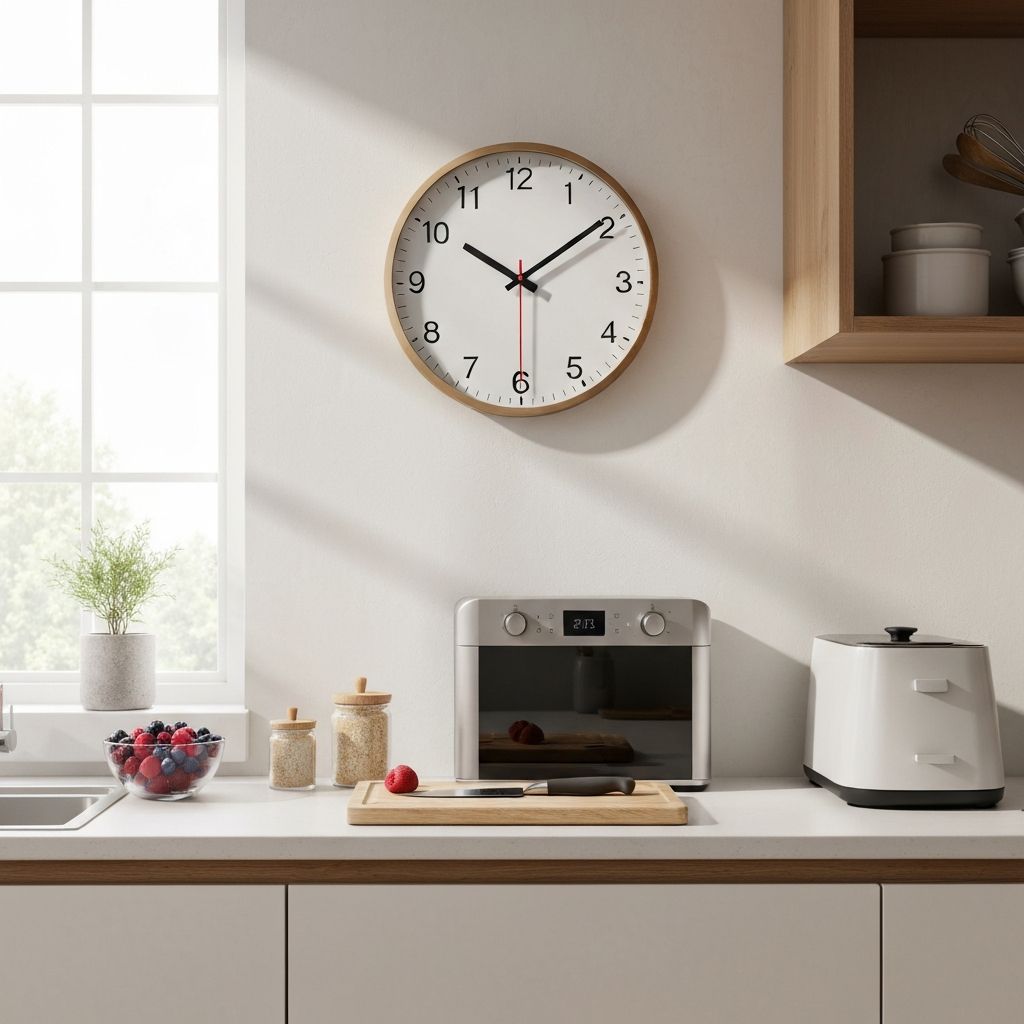
Clock on wall with kitchen setting in background

Meal Timing and Structure Influence

When people eat appears to be as contextually variable as what they eat. Work schedules, family routines, and personal energy patterns all contribute to the timing of meals throughout the day.

Some cultures emphasise regular meal times as important social and health practices, while others demonstrate more flexible approaches to eating schedules. Neither pattern is inherently superior; rather, they reflect different ways of organising daily life.

The structure of meals, whether consisting of multiple courses or single dishes, also varies considerably across households and changes throughout different life stages.

Grocery store aisle with various food products

Environmental Impacts on Choices

The food environment, including what is available, affordable, and convenient, shapes eating patterns in profound ways. Geographic location, local shops, and transportation access all play roles in determining food options.

Research in this area highlights how neighbourhood characteristics, from the presence of various food retailers to local food culture, create contexts that influence daily food decisions.

Understanding these environmental factors helps explain why eating patterns often change when people move to new areas or experience shifts in their daily routines and available options.

Person enjoying a meal in a calm home environment

Mindful Awareness of Eating

Attention to the eating experience itself represents another dimension of food-related behaviour. The degree to which people focus on their meals versus engaging in other activities during eating varies considerably.

Some research explores how awareness during eating relates to satisfaction and the overall experience of meals, though findings in this area continue to be examined and discussed within academic communities.

Different cultural and personal approaches to meal attention exist, ranging from highly focused eating rituals to casual multitasking during meals, each reflecting different values and circumstances.

Limitations and Context

This educational resource is designed to provide general information about how daily life factors relate to weight and eating patterns. Please consider the following:

  • All materials on this site are informational in nature and do not constitute personal advice
  • No specific recommendations for individual circumstances are provided or intended
  • Different approaches work for different people based on their unique situations and contexts
  • This content does not replace individual decision-making or professional consultation when needed
  • Research findings discussed represent general observations and may not apply to every individual

Frequently Asked Questions

BodyContext serves as an educational resource exploring how everyday factors such as daily habits, eating patterns, and lifestyle circumstances relate to weight. The site provides informational content without offering personal recommendations or medical guidance.
No. All content is educational and informational in nature. We do not provide personalised recommendations, assessments, or advice. The information presented explores general patterns and contexts rather than individual guidance.
Content is developed by the BodyContext editorial team, drawing on publicly available research and educational materials. We aim to present information in an accessible, neutral manner without promoting any particular approach or outcome.
The content is intended for general educational purposes. Readers may find it useful for understanding broader contexts around daily habits and eating patterns. For any personal decisions, individuals should rely on their own judgement and consult appropriate professionals when needed.
No. BodyContext is an educational website that does not sell products, services, or programmes. We do not offer consultations, assessments, or any form of commercial service. The site exists solely to provide educational information.

Get in Touch

If you have questions about the educational content on this site, you may reach out using the form below.

Contact Information

BodyContext

12 King's Road
London, SW3 4BB
United Kingdom

Phone: +44 20 79 45 81 23

Email: [email protected]

Understanding Daily Contexts

Explore how everyday factors shape eating patterns and routines across different life circumstances.

Read the overview